Podcasting
Budget Headphone Roundup for Podcast Editors Who Work Late
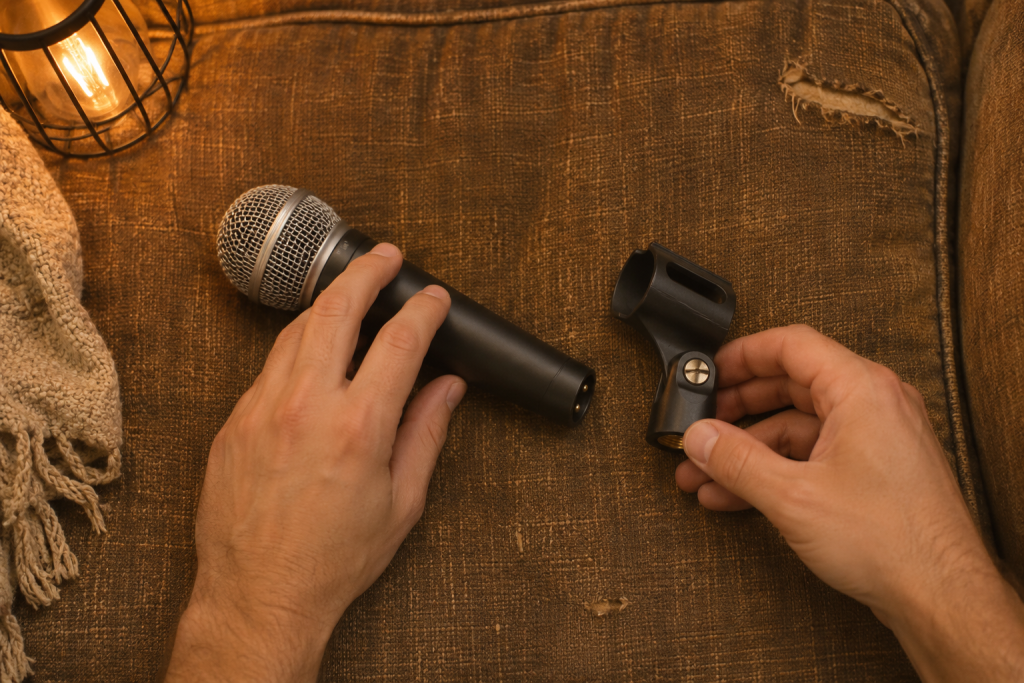
It is 11:40 on a Tuesday and you have been staring at the same nine-second clip of a guest saying “and that’s sort of the whole” for the fourth time. The room is quiet. The monitors are off, because it is late and the walls are thin. This is the hour when the headphones do all the work, and it is also the hour when a pair of headphones that sounded fine at 2 p.m. starts to feel like two small rocks pressed against your skull.
I edit podcasts most nights. Over the past year I have cycled through five pairs of budget headphones priced between about $50 and $200, using them for actual edits rather than test signals, and the ranking that follows is not about which one has the flattest frequency plot. It is about which ones let you work late without making bad decisions and without wanting to throw them across the room.
The short version, if you are already tired
The Sony MDR-7506 remains the pair I reach for most. They are not comfortable forever, they are not pretty, and the bass is a little lean. But they tell the truth about sibilance and mouth noise, which is ninety percent of what podcast editing actually is.
If you cannot stand a coiled cable or you want isolation from a humming fridge, the Audio-Technica ATH-M20x is the safer first buy. It is cheaper, it is more forgiving on tired ears, and it isolates better than the Sony. It also hides a bit of harshness, which is exactly the wrong thing when you are de-essing.
And if you already own a decent interface, check its headphone output before you spend anything. A high-impedance pair plugged into a weak output will sound flat and quiet, and you will blame the headphones for a problem that lives in the box on your desk.
Why podcast editing is a strange job for headphones
Music producers want headphones to be flattering and fun. Mix engineers want them to be revealing. Podcast editors need something slightly different: they need to hear a specific person’s mouth at close range for hours, and they need to hear when that mouth is doing something wrong.
The problems you are hunting are narrow. A plosive that clips on the P. A whistle at the top of an S. The low hum of a laptop fan bleeding into a quiet passage. A guest who leaned back from the mic and now sounds underwater compared to their co-host.
None of that lives in the deep bass. All of it lives in the presence region and the low mids. So the budget headphones that sound “big” and “warm” on first listen are usually the ones that will waste your evening.
What I actually heard, pair by pair
Sony MDR-7506
These have been in studios for decades and there is a reason they keep showing up on edit desks. The midrange is forward enough that mouth clicks jump out at you immediately. I can spot a bad de-esser setting on these in a couple of seconds.
The trade-off is real. The low end is modest, so if a guest has a boomy proximity effect you will need to trust your eyes on the spectrogram as much as your ears. The pads get warm by hour three. And the coiled cable weighs enough to remind you it is there every time you lean back.
But for the specific job of finding the ugly little noises inside a human voice, they are still the most honest cheap pair I have used.
Audio-Technica ATH-M20x
Cheaper, comfier, and quieter in a room with background noise. The closed cups keep out more of the world, which matters if your desk is near a window or a refrigerator.
The problem is that they smooth things over. A slightly harsh S sounds merely present rather than objectionable, and you will let it through. Then you listen on a phone speaker the next morning and wince. For rough cuts and content listening, they are fine. For the final pass on dialogue, I want the Sony.
Beyerdynamic DT 240 Pro
These surprised me. They are light, they fold, and they have a bit more bass than the Sony without turning muddy. The cable is detachable, which is a small luxury you will appreciate the day you roll over it with a chair.
Where they stumble is comfort over a long session. The clamping force is noticeable after a couple of hours, and the headband padding is thin. If you edit in ninety-minute bursts, they are a genuine contender. If you sit down at nine and stand up at one, you will feel it.
AKG K371
These sit at the top of the budget bracket and they mostly justify it. They are the most comfortable of the group for long nights, and the tuning is closer to neutral than anything else here. Sibilance is audible without being exaggerated.
The catch is that they are less forgiving of a weak headphone output. If your interface cannot drive them well, they will sound polite and distant, and you will keep turning up the volume, which is its own kind of ear damage. Check your interface first. Many compact interfaces advertise a high-powered headphone output specifically so they can drive high-impedance loads, and the better ones do it well. Cheaper boxes are more of a gamble.
The cheap wireless pair I tried, which I will not name
I picked up a $60 wireless set on a whim because the cable was annoying me. I edited one episode on them and stopped. The Bluetooth latency makes scrubbing feel disconnected, and the built-in processing makes a clean voice sound like it is coming from a different room. Wireless is for listening, not for editing. Learn from my mistake and keep a cable on your desk.
The things nobody tells you about late-night editing
Volume creep is the real enemy. At midnight, after four hours of the same voice, everything sounds quiet and you nudge the output up. By 1 a.m. you are editing at a level that feels fine in the moment and leaves your ears ringing the next morning. Pick a level early, mark it on the dial, and do not touch it.
Isolation matters more than fidelity at that hour. If your room has a fan, a fridge, or a neighbor, closed-back headphones let you hear the detail in the recording instead of the detail in your apartment. All four pairs above are closed, which is the right call for a home desk.
And take the headphones off every hour. Not for your ears, though that helps. For your judgment. The same voice sounds different after a break, and the click you were agonizing over often turns out to be nothing.
So what should you buy
If you are buying your first serious pair for podcast work and you want to spend as little as possible, get the ATH-M20x and accept that your de-essing will be slightly worse than it could be. Upgrade later when you know your room and your workflow.
If you are already editing regularly and you want a tool rather than a compromise, get the Sony MDR-7506. They are not comfortable for a whole night and they will not flatter anything, which is the point. You are not listening for pleasure at midnight. You are listening for mistakes.
And if you have the budget for the K371 and an interface that can drive them properly, that is the pair that will still feel reasonable at 1 a.m. Just do not skip the interface check, because the best budget headphones in the world will sound dull and lifeless through an output that cannot push them.
One more thing. Buy a spare cable. You will need it, probably sooner than you think, and it will cost less than a sandwich.